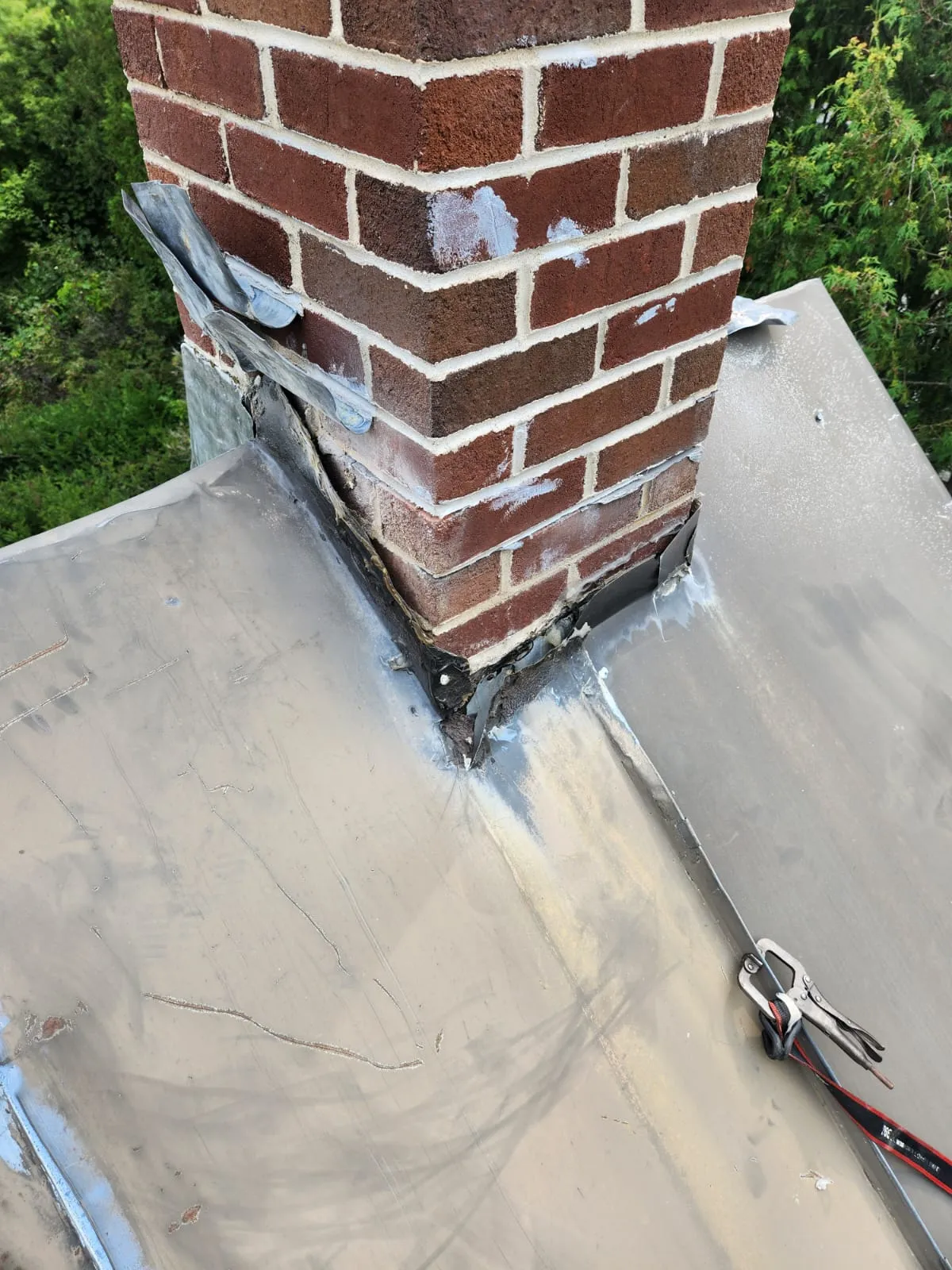
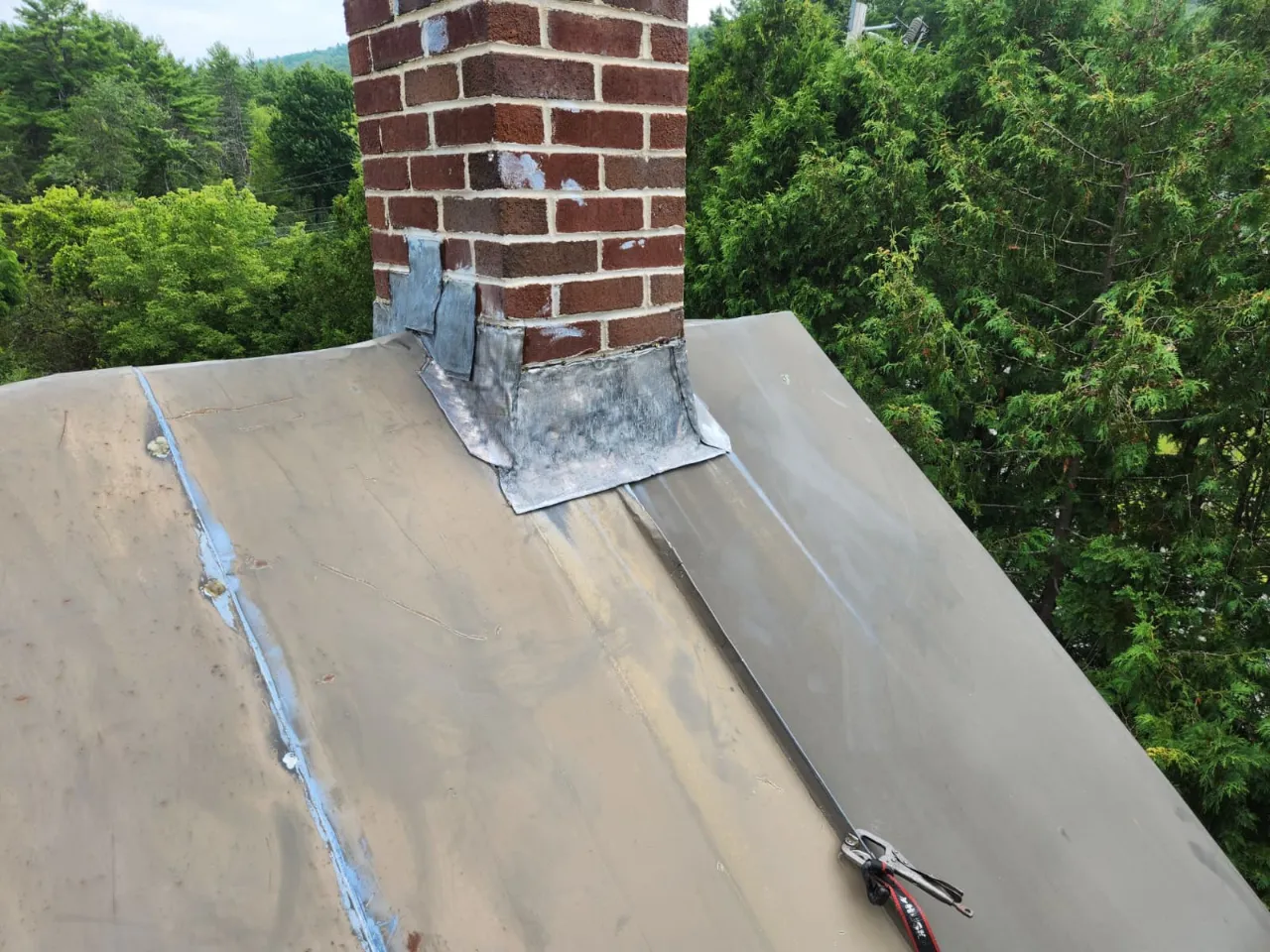
This is the question that comes up on almost every roof replacement estimate in Vermont. The metal roof costs more, sometimes a lot more, and the homeowner wants to know if it is worth it. The honest answer is that it depends on the house, how long you are staying, and what your roof has to deal with every winter. Both materials work in New England. Asphalt shingles cover the majority of homes here for a reason, and standing seam metal roofing has been on Vermont barns and farmhouses for over a century.
Neither one is a mistake. But they behave differently, they cost differently, and they fail differently. What follows is the comparison the way it actually gets discussed on a driveway, not the way a brochure presents it. Upfront cost, snow performance, lifespan, maintenance, and the situations where one is clearly the better call. By the end you should know which one belongs on your house.
Upfront Cost and What You Get
Standing seam metal typically runs two to three times the installed cost of an architectural asphalt shingle roof. That gap is real, and it is the reason most people stop the conversation right there. Where the money goes is worth understanding. Metal panels are formed to your roof, often on site. The material costs more per square foot, and the labor is slower, because every seam, valley, and penetration is a custom detail. Asphalt shingle roofing goes down fast and predictably, which keeps the labor line short. Shingles also come in tiers. A three-tab roof is the cheapest thing on the market and it shows. Architectural shingles cost more, look better, and hold up to wind far better than three-tab.
How Each One Handles Snow and Ice
This is where metal earns its price in this part of the country. Snow slides off a standing seam panel instead of sitting on it. That means less weight on the structure and less snow available to melt and refreeze at the eave. Fewer ice dams, in other words, which is the most expensive recurring roof problem in Vermont, and the reason ice dam removal is a yearly line item on so many houses. The catch is that the snow has to go somewhere. A metal roof releases its load all at once, usually on a sunny afternoon, and it lands wherever it lands. Snow guards over doorways and walkways are not optional here. Asphalt holds snow in place, which is gentler on what is below, but it also feeds ice dams when the attic runs warm.
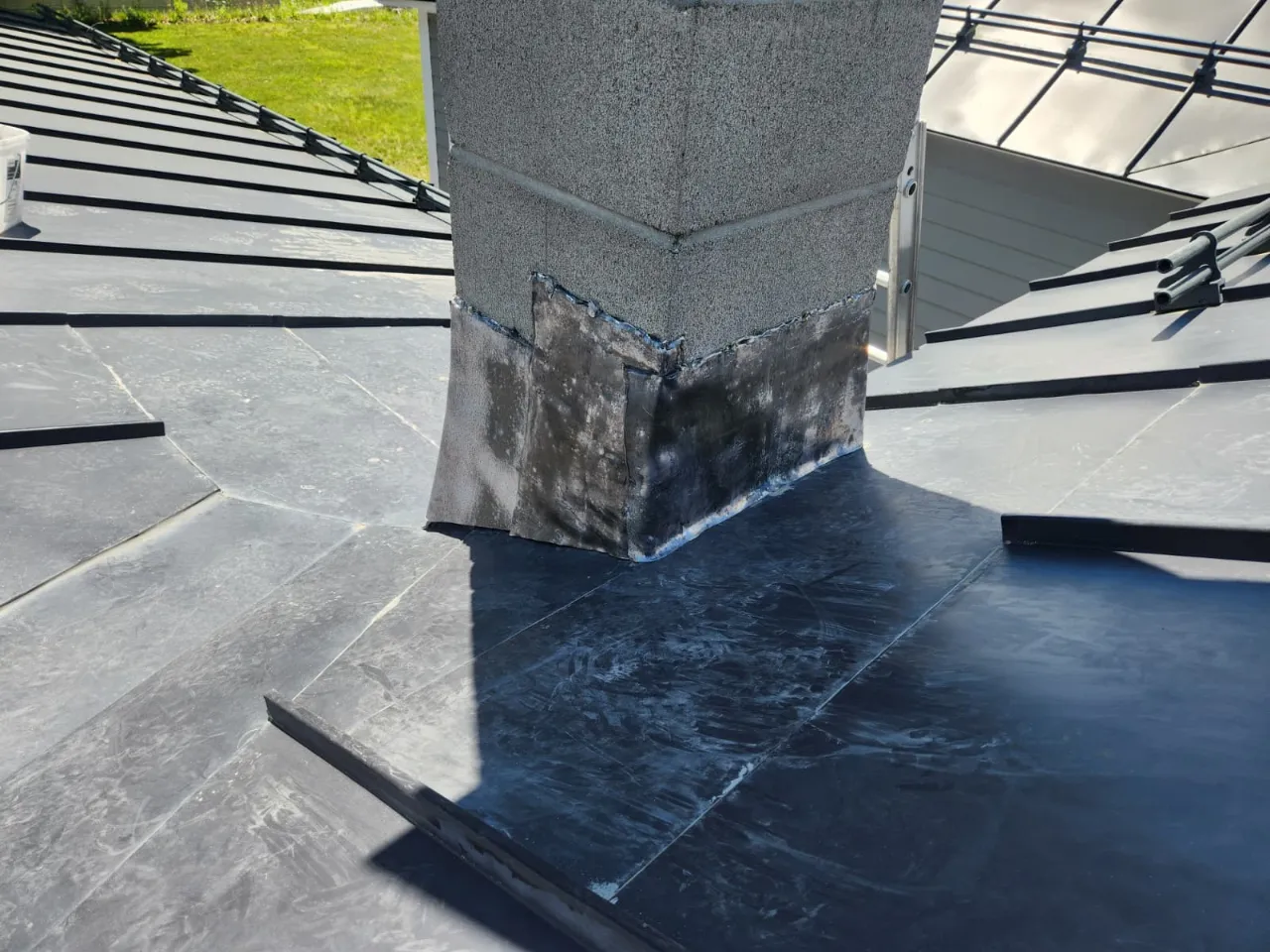
Lifespan, Maintenance, and Resale
An architectural asphalt roof installed correctly gives you somewhere in the range of twenty-five to thirty years in this climate. Standing seam metal generally runs forty to seventy. It is common to see century-old metal roofs still working on barns around here. Maintenance on both is light, but different. Shingles lose granules gradually, and repairs mean replacing individual shingles, which is easy and cheap. Metal rarely needs anything, but when a panel does need work it is a bigger job, because panels interlock and one cannot simply be pulled out of the middle. On resale, metal reads as an upgrade and it is a talking point on a listing. Shingles read as normal.
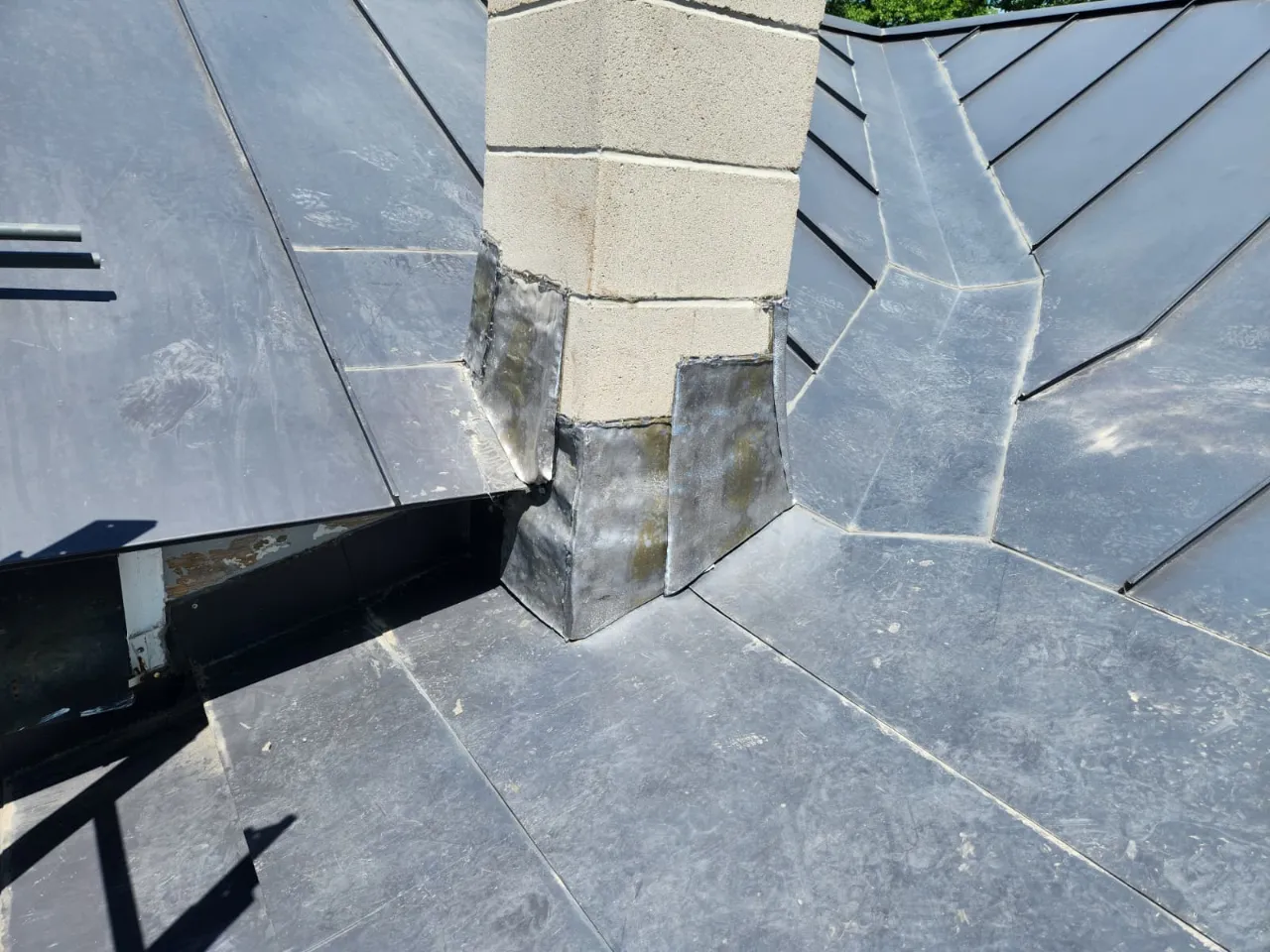
Which One Makes Sense on Your House
Go metal if you are staying long term, if ice dams have been a recurring fight, if the roof is simple with long uninterrupted runs, or if the pitch is steep enough that snow shedding actually works. Barns, farmhouses, and camps with big open slopes are ideal. Go asphalt if the budget is the deciding factor, if the roof is complicated with a lot of dormers, valleys, and penetrations, or if you are likely to sell within ten years. Complexity drives metal costs up fast, because every intersection is custom work. There is also a middle path people forget. Metal on the main slopes and shingles on the complicated sections is common here, and it puts the money where the snow is. Either way, both options get priced in the same roof replacement estimate.
Frequently Asked Questions
Not the way people expect. Standing seam over solid decking with underlayment isn't noticeably louder than shingles. The noise reputation comes from corrugated metal over open framing on barns, which is a completely different assembly.
Sometimes, but we don't usually recommend it. Going over the old roof hides whatever is wrong with the deck, and the deck is what everything else depends on. Tearing off costs more and tells you the truth.
No. Metal doesn't attract strikes. If a house does get hit, a metal roof is actually safer, because it conducts the energy and doesn't ignite the way wood or asphalt shingles can.
Thicker gauge standing seam holds up well. Lighter gauge and exposed fastener panels dent more easily. Gauge is worth asking about on any metal quote, because it is where cheaper bids cut corners.
Nobody can answer that from a phone call. Cost depends on square footage, pitch, layers coming off, complexity, and material tier. The estimate is free, so the real number takes one visit.