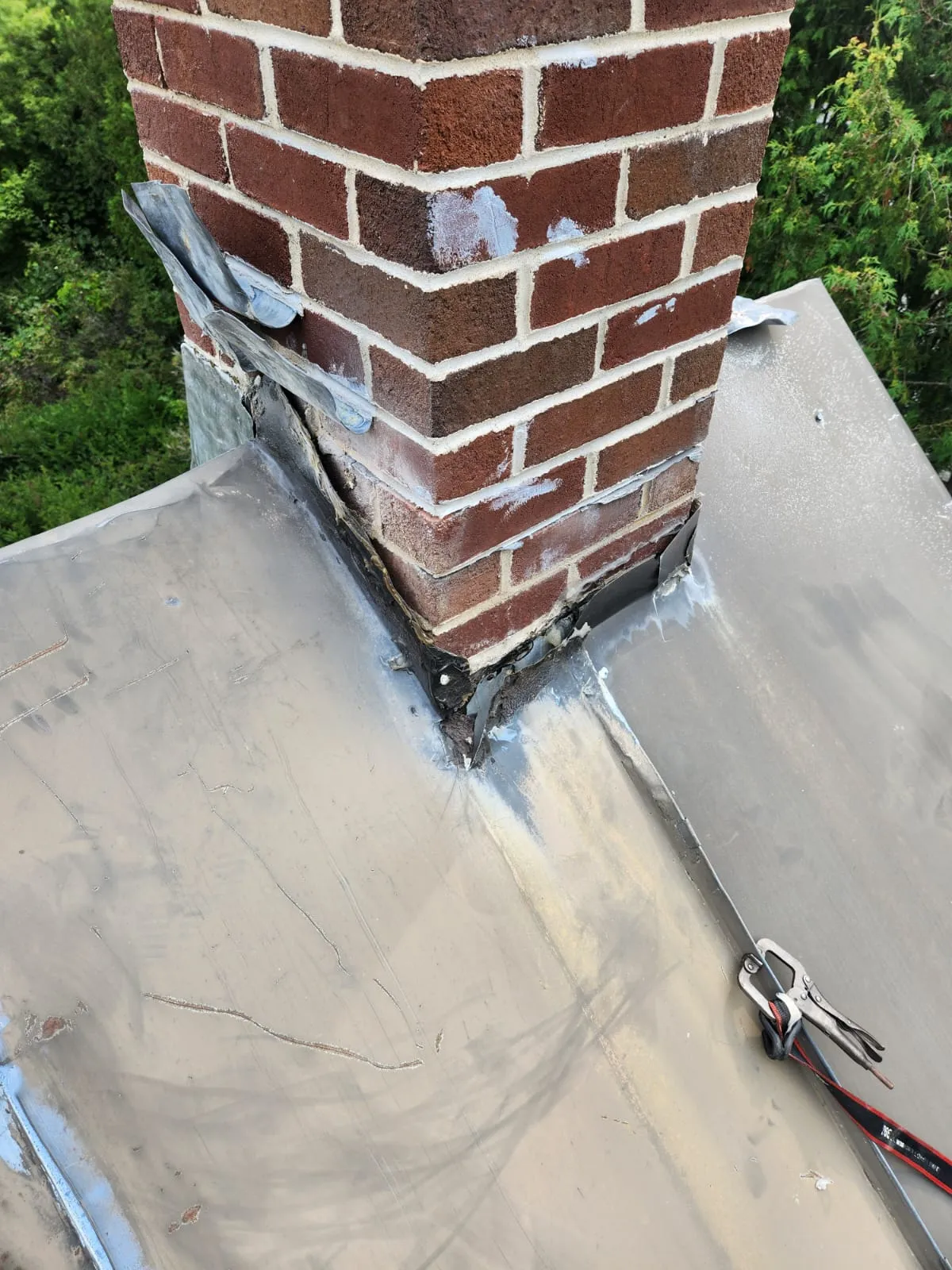
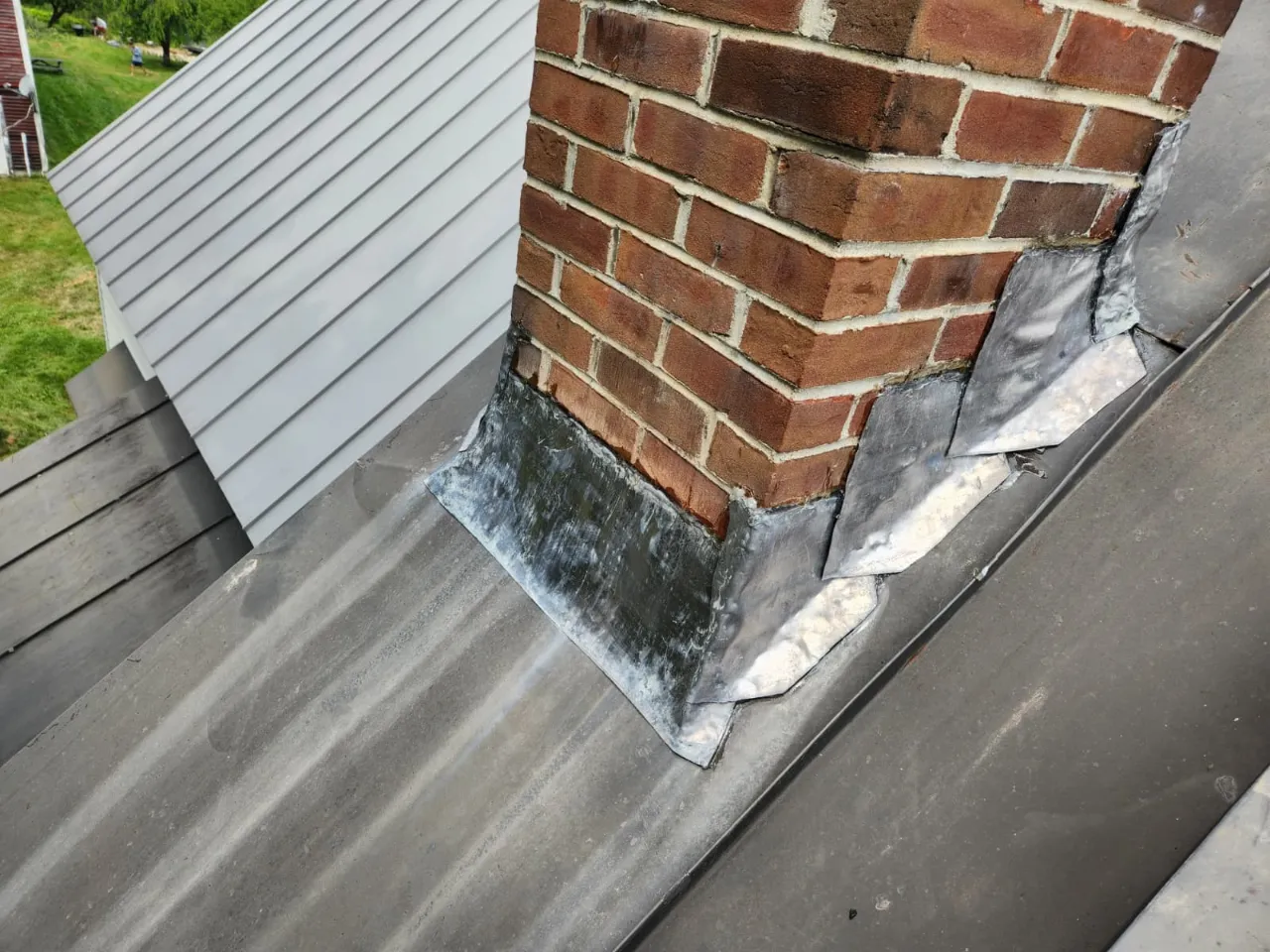
A storm rolls through overnight, and in the morning the yard is full of branches. You look up at the roof, it looks the same as it did yesterday, and you move on with your day. That is how most storm damage gets missed. Roof damage from wind and ice rarely announces itself. A few shingles lift and reseal crooked. A piece of flashing bends away from the chimney by a quarter inch. A vent boot cracks.
None of that is visible from the driveway, and none of it leaks right away. It leaks in six weeks, or in March when the snow melts. By then the water has been working on the decking the whole time. The good news is that most of the early signs are things you can check yourself, from the ground, in about ten minutes. Here is what to look for after a storm in Vermont or New Hampshire, what it means, and when storm damage roof repair is worth having someone get up there.
What Wind Actually Does to a Roof
Wind doesn't push a roof down. It pulls it up. Air moving over the roof creates lift at the edges, the same way it does on a wing. That's why damage almost always starts at the rakes, the eaves, and the ridge, not in the middle of the field. What happens first is the seal strip letting go. Every shingle is glued to the one below it by a strip of adhesive. Once wind breaks that bond, the shingle can flap freely, even though it's still nailed down. It looks fine from the ground. But it's now a hinge, and every gust works it harder until it cracks at the nail line or takes water underneath it, which is the point where roof repair stops being optional.
Six Signs You Can Check from the Ground
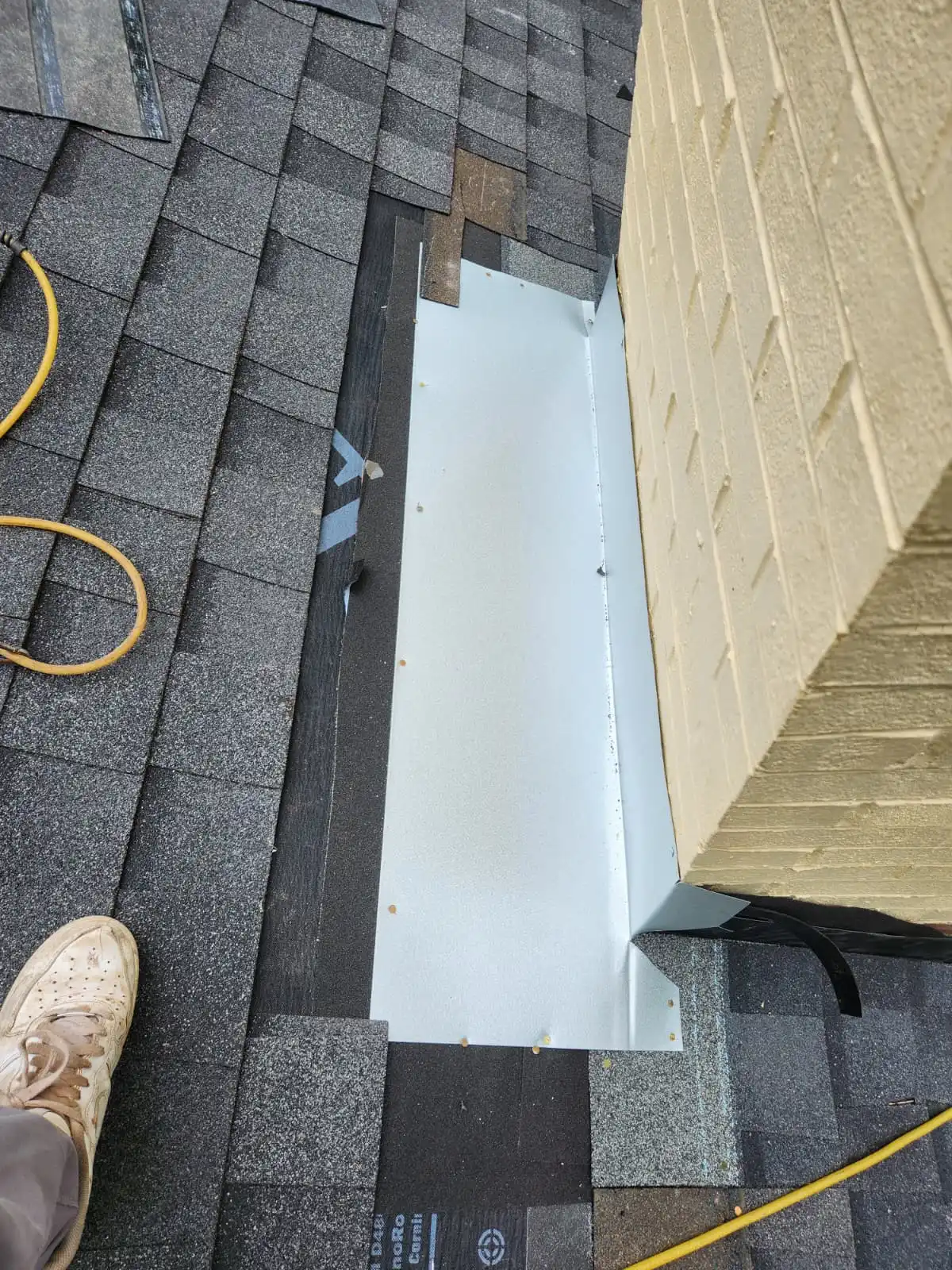
Grab binoculars and walk the perimeter of the house. Look for shingles sitting at a different angle than their neighbors, or a line along the eave that isn't straight anymore. Look for bare spots where the color looks lighter, which usually means granules are gone. Then check the gutters. A pile of granules that looks like coarse black sand means the shingle surface is wearing off. Look at the metal around the chimney and vent pipes for anything lifted or peeled back, since chimney flashing repair is the fix for most of what you find there. Check the ridge against the sky, since a wavy ridge means cap shingles moved. Finally, walk the yard. Shingle pieces on the ground came from somewhere, and that somewhere is your roof.
What to Look for Inside the House
Go up in the attic with a flashlight, on a bright day if you can. Turn the light off and look for daylight coming through anywhere it shouldn't. Pinholes at the ridge or around a vent mean something moved. Run the light along the underside of the decking and look for dark staining or streaks, which is where water has been running. Feel the insulation near the eaves for damp spots. Downstairs, check the ceilings along exterior walls and in corners. A stain that's yellow-brown with a hard edge is old. One that's soft-edged and spreading is active. Both are worth a call, but the second one will not wait.
When to Call Someone and What Happens Next
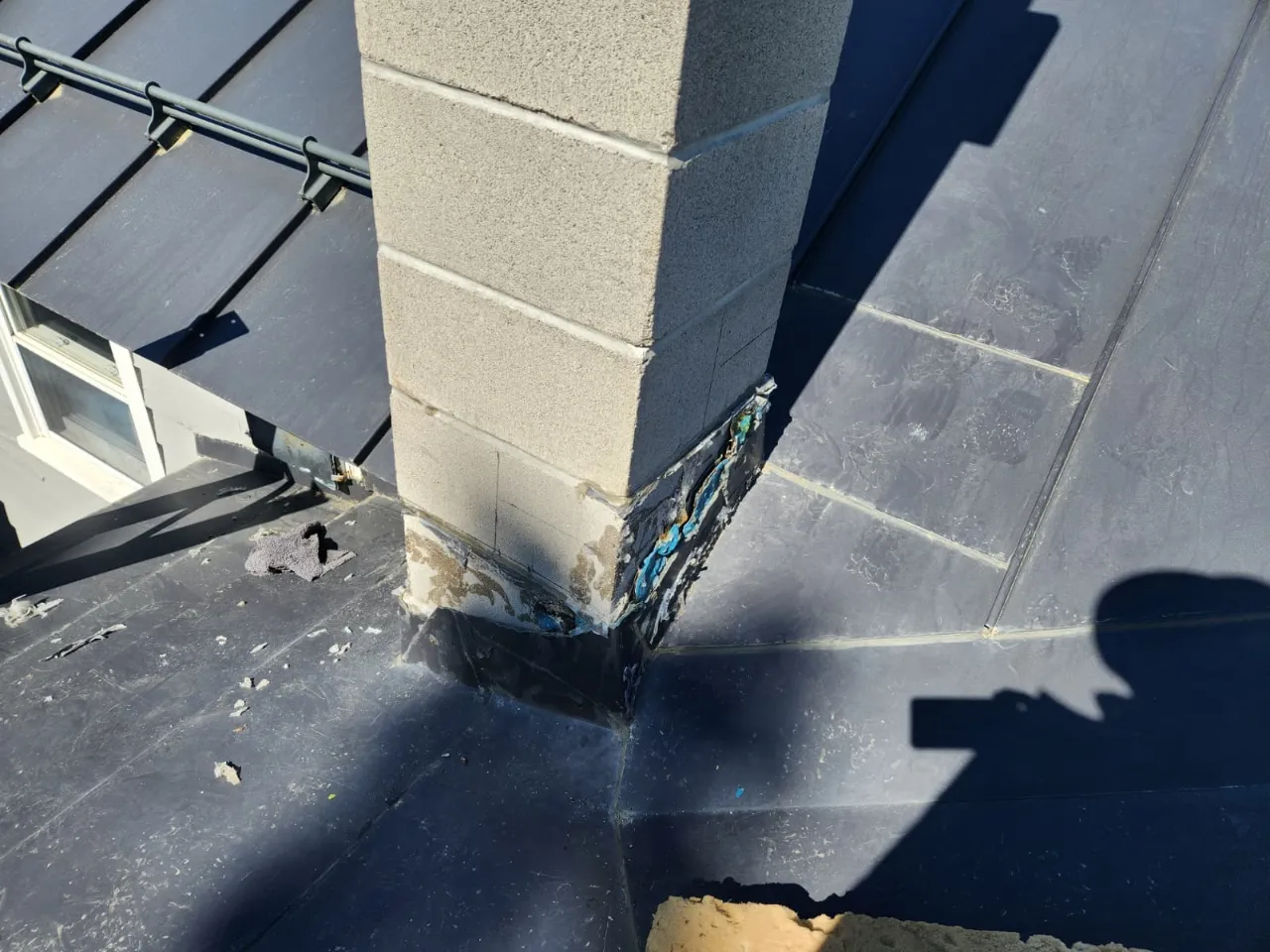
Call if you find any of it, and call sooner if water is already inside. A missing shingle is a cheap repair on a Tuesday. It is an expensive one after it has been open through two more storms. What happens next is straightforward. Someone gets on the roof and walks it, because half of storm damage is invisible from the ground. During a roof inspection the flashing, the valleys, the boots, the ridge, and the deck all get checked. You get photos of what is actually up there, not a description. Then you get a written price, or an honest answer that the roof has years left. If the roof is open and weather is coming, temporary protection goes on the same visit.
Frequently Asked Questions
Within a day or two if you can. Damage caught early is a repair. Damage that sits through the next storm cycle turns into decking work, and decking work costs several times more than a shingle repair.
Absolutely. A five-year-old roof installed with the wrong nailing pattern will lose shingles in a wind that a twenty-year-old roof shrugs off. Age matters less than how the roof was installed in the first place.
Less than in the Midwest, but it happens, and freeze-thaw does similar damage over time. What you're looking for is bruising, which shows as granule loss in circular patches with a soft spot underneath.
Not for the roof itself. It helps if we can get into the attic, and it helps to walk you through the photos afterward. We'll work with whatever is convenient for your schedule.
Then it's fine and you know it, and it cost you nothing. A free inspection that comes back clean is still worth having, especially heading into a Vermont winter with snow on the way.