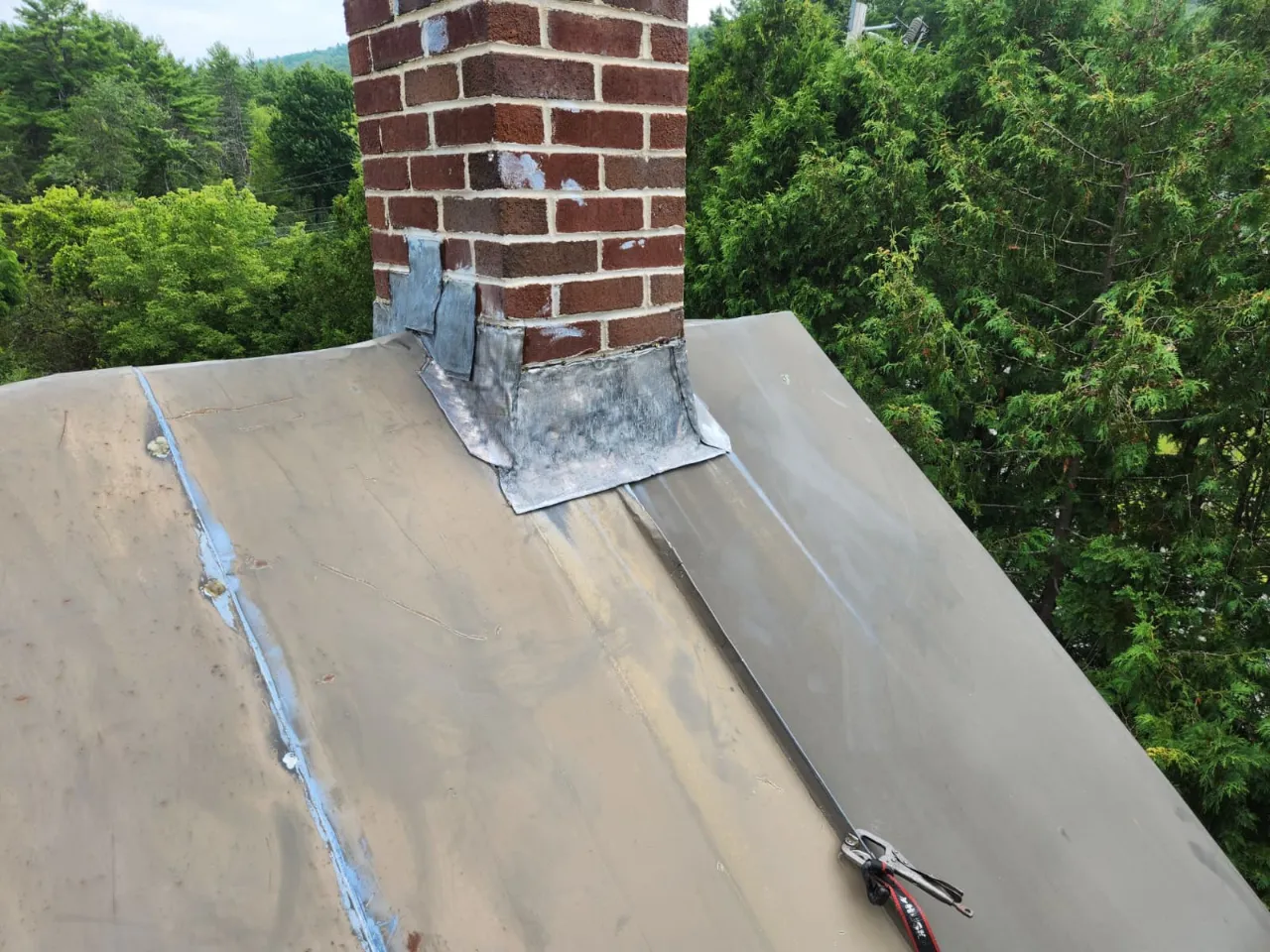
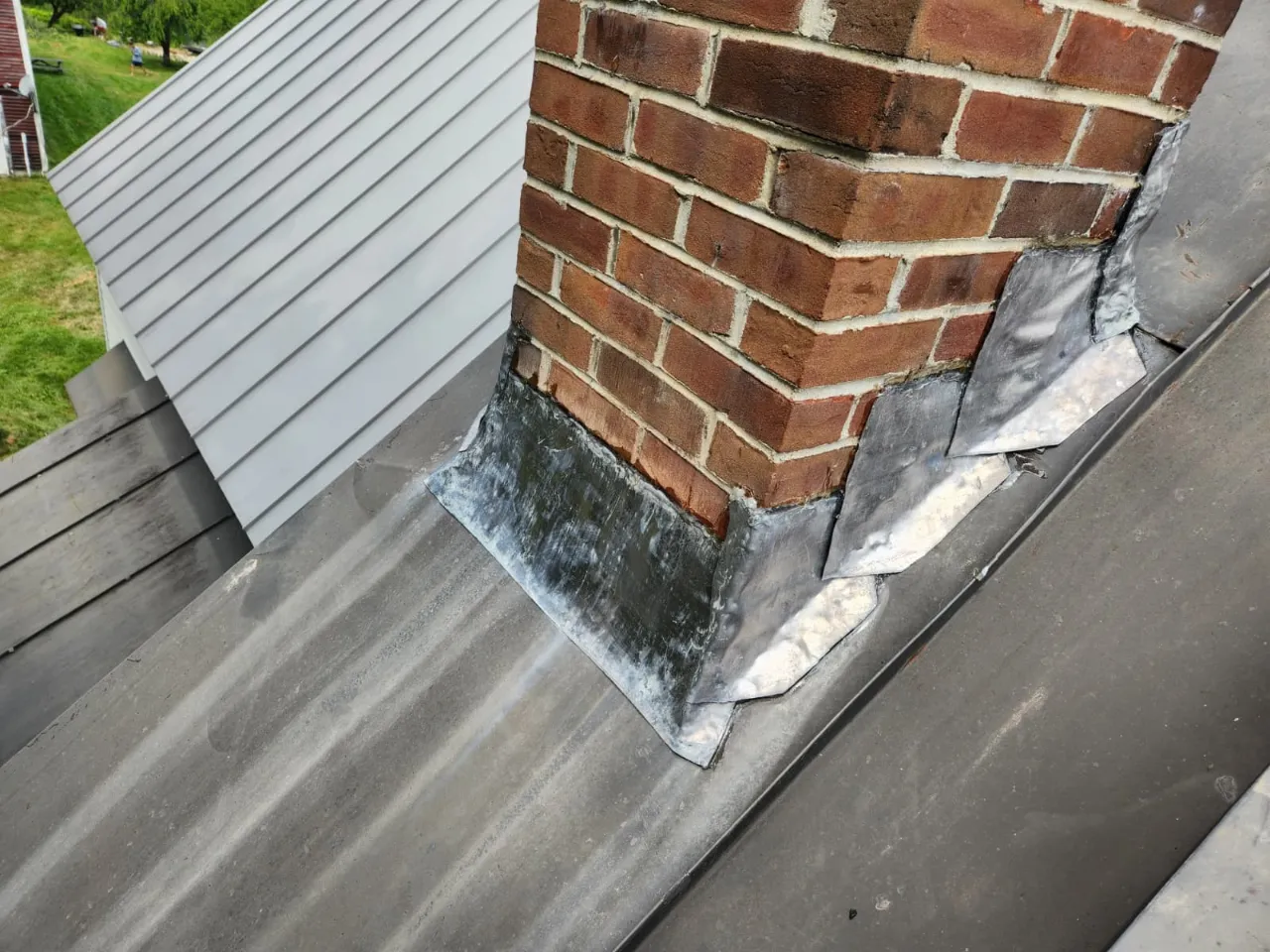
Every February the same call comes in. There's a stain spreading on the bedroom ceiling, and nobody can figure out where the water's coming from. The roof looks fine. The shingles look fine. The problem is a ridge of ice sitting on the edge of the roof, and it's been building since December. Ice dams are one of the most common roof problems in Vermont and New Hampshire. They're also one of the most misunderstood.
Most people think the ice is the problem. It isn't. The ice is a symptom. The actual cause is sitting inside your attic, and until that gets fixed, the dam comes back every single winter. Here's what's happening up there, why it keeps repeating, and what actually stops it. Some of this you can handle yourself in an afternoon. Some of it needs someone on the roof. Either way, understanding the mechanism is what saves you from paying to chip ice off your eaves every January, or from booking ice dam removal after the damage is already inside.
What an Ice Dam Actually Is
Snow lands on your roof and just sits there. That's fine, until the surface underneath it gets warm. Heat leaking out of your attic warms the roof deck, and the snow touching that deck starts to melt. The water runs down the slope, under the blanket of snow, until it reaches the eave. The eave hangs past the walls of the house, so there's no warm attic under it. That part of the roof stays at outdoor temperature. The water hits that cold zone and freezes. Do that for a few days and you've built a ridge of solid ice along the bottom edge of the roof. That ridge is the dam. Everything melting above it now has nowhere to go.
Why Your Attic Is the Real Problem
Every ice dam traces back to heat escaping into the attic. Recessed lights, bath fans venting into the roof space, gaps around the chimney, a hatch with no weatherstripping, thin or compressed insulation. All of it dumps warm air where it doesn't belong. Ventilation is the other half of the equation. Air should enter at the soffit and exit at the ridge, keeping the deck cold. When soffit vents are blocked by insulation or a damaged soffit, that airflow stops. Now you have a warm roof under a cold sky, which is exactly the recipe. This is why chipping the ice off does not fix anything. The ice comes back because the attic never changed, and balancing intake and exhaust with roof vent installation is usually where the real fix starts.
What Ice Dams Do to a Roof
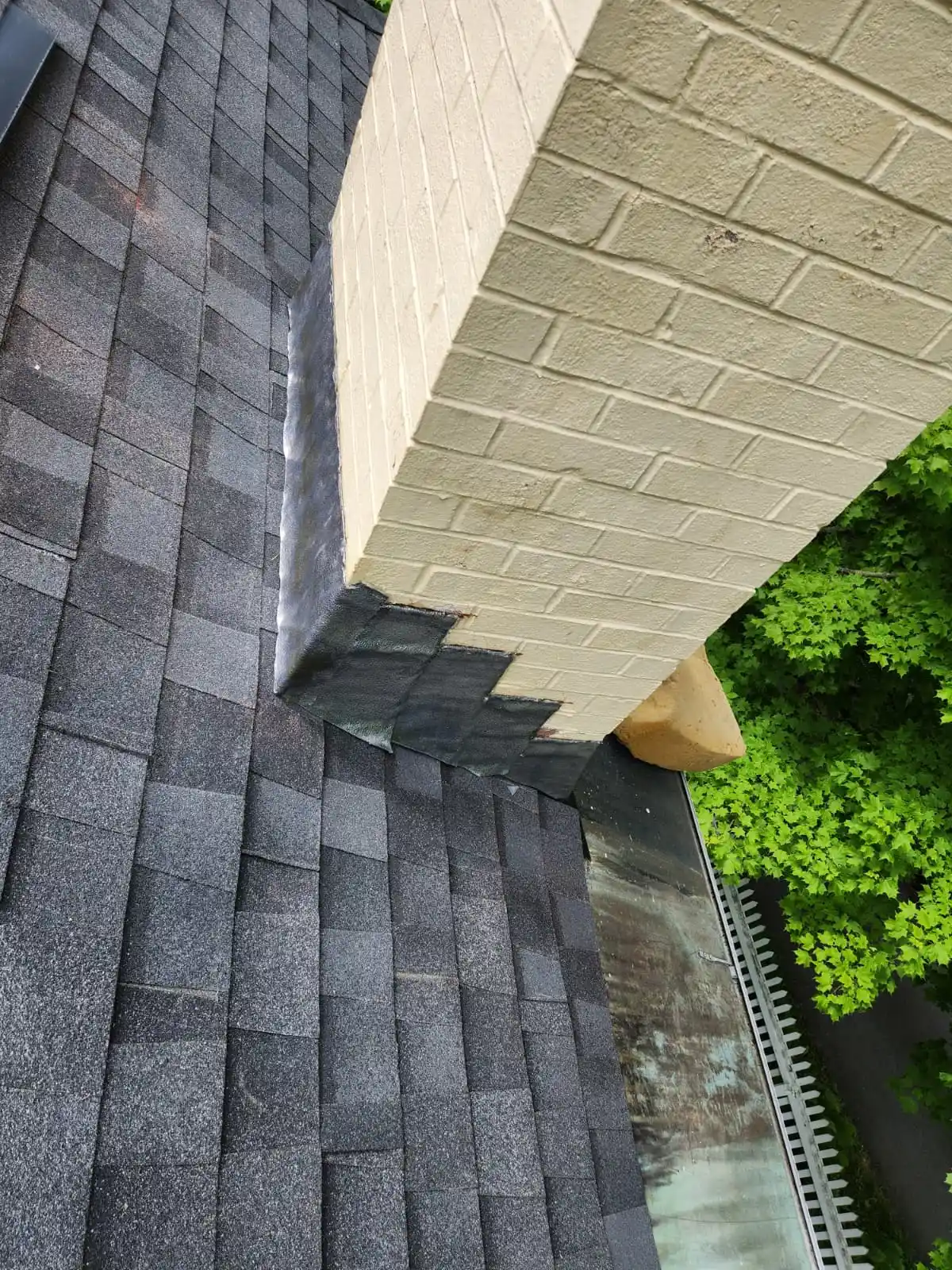
The dam itself isn't what hurts you. It's the pond behind it. Meltwater backs up and sits on the shingles, and shingles aren't designed to hold standing water. They shed it. Water finds the seams, works under the courses, and reaches the deck. From there it travels along the framing until it shows up somewhere unexpected, which is why the ceiling stain is rarely under the actual leak. Ice also gets heavy enough to pull gutters off the fascia and bend the hangers. On older homes with no ice and water shield at the eaves, the deck itself starts rotting. By the time you see the stain, the water has been moving for a while, and a roof inspection is the only way to know how far it went.
How to Stop Ice Dams Coming Back
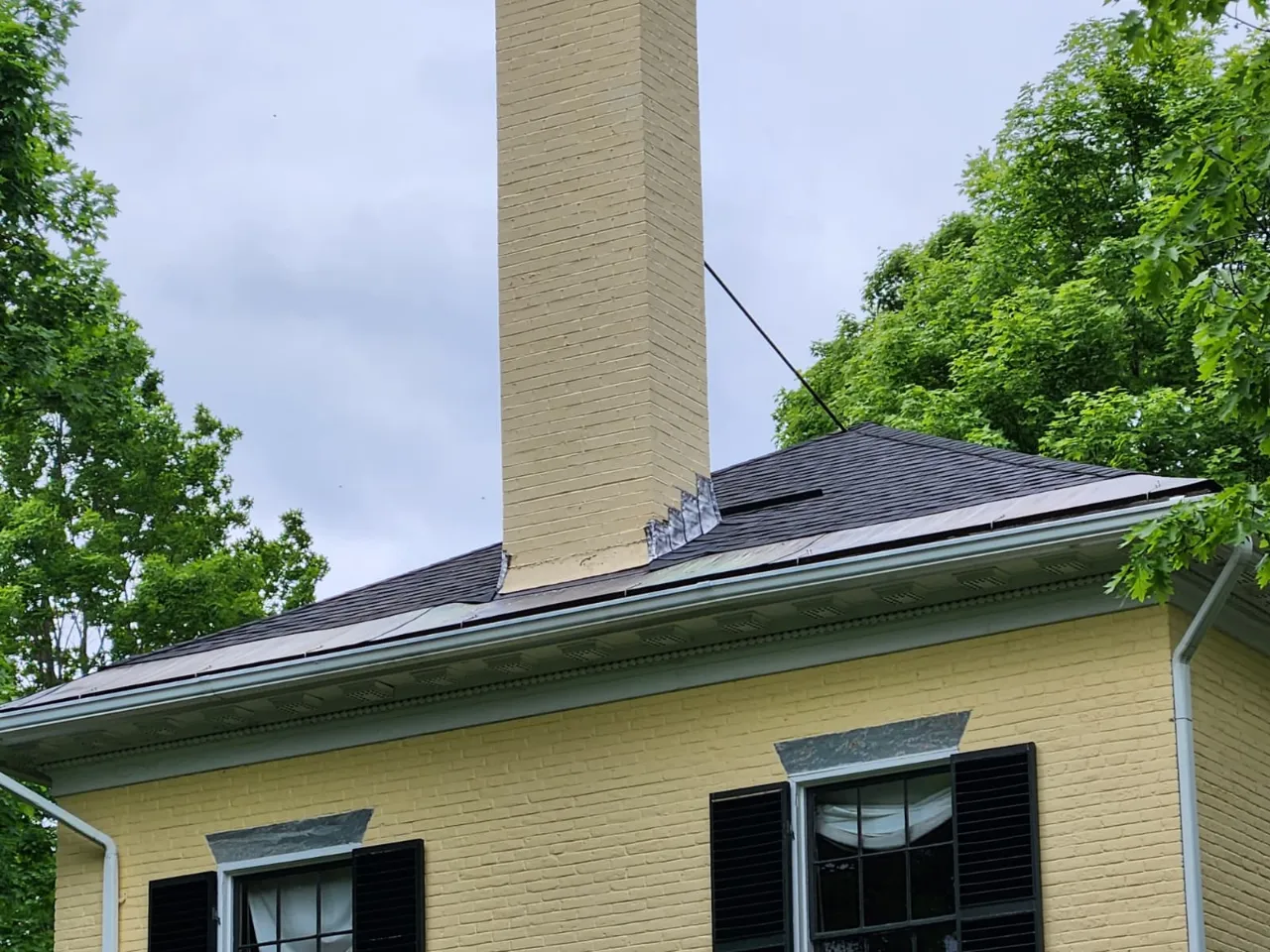
Short term, get the ice off, and get it off carefully. Chipping at it with an axe or a hammer wrecks the shingles underneath. That turns a winter problem into a roof replacement. Clearing the first few feet of snow from the eaves after a heavy storm helps too, because a dam needs snow to feed it. Long term is where the real fix lives. Seal the air leaks in the attic floor. Add insulation to a proper depth. Open up the soffit intake and make sure the ridge vent can actually exhaust. Vent bath fans outside instead of into the roof space. Handle gutter cleaning in fall so meltwater has an exit. Do those and the dam stops forming in the first place, and ice dam removal becomes a one time job instead of a yearly bill.
Frequently Asked Questions
They'll melt a channel through the dam, so water has somewhere to go. That's a bandaid, not a fix. They cost money to run all winter and they don't address the attic heat causing the dam.
You can clear snow from the ground with a roof rake, and that helps. Getting up on an icy roof with tools is where people get hurt and roofs get wrecked. If there's already water inside, call someone.
Not by itself. Insulation slows heat loss, but air leaks bypass it completely. Seal the gaps first, then insulate, then check ventilation. Doing only one of the three usually leaves you with the same dam next winter.
Less often. Snow slides off standing seam metal before it can sit and melt in place. But a metal roof over a warm, badly vented attic can still form ice at the eave. The attic still matters.
Maybe not. In winter, a stain usually means water backed up behind an ice dam and got under the shingles. The roof can be in good shape and still leak this way. That's why we inspect before quoting.